2025

Neighborly
Designing a local ecosystem where discovering a business can lead to something bigger: a customer, a collaboration, or support for the community.
Role
Product/UX Designer
UX Researcher
Skills
Product Strategy
UX Research
Information Architecture
Interaction Design
Cross-Platform Design
Prototyping
Duration
6 months
Final Prototype
neighborly.demo


01
The Problem
Three local problems were actually one system problem.
Residents wanted better ways to find local businesses.
Small businesses needed visibility without large marketing budgets.
Schools and community organizations were looking for sponsors—but often relied on personal networks and one-by-one outreach.

A local high-school music program described an annual sheet-music budget of roughly $150, while a single piece can cost around $80. The need for community support was tangible; the connection infrastructure was not.
RESIDENTS
Discover & spend locally
Find places and services that fit real needs.
BUSINESSES
Find places and services that fit real needs.
Manage how they appear and signal ways they can help.
ORGANIZATIONS
Make needs visible
Reach businesses already open to community support.
These give me the opportunity that
Instead of designing another local directory, I explored how one product could create value between all three sides of the community.
02
Research → product direction
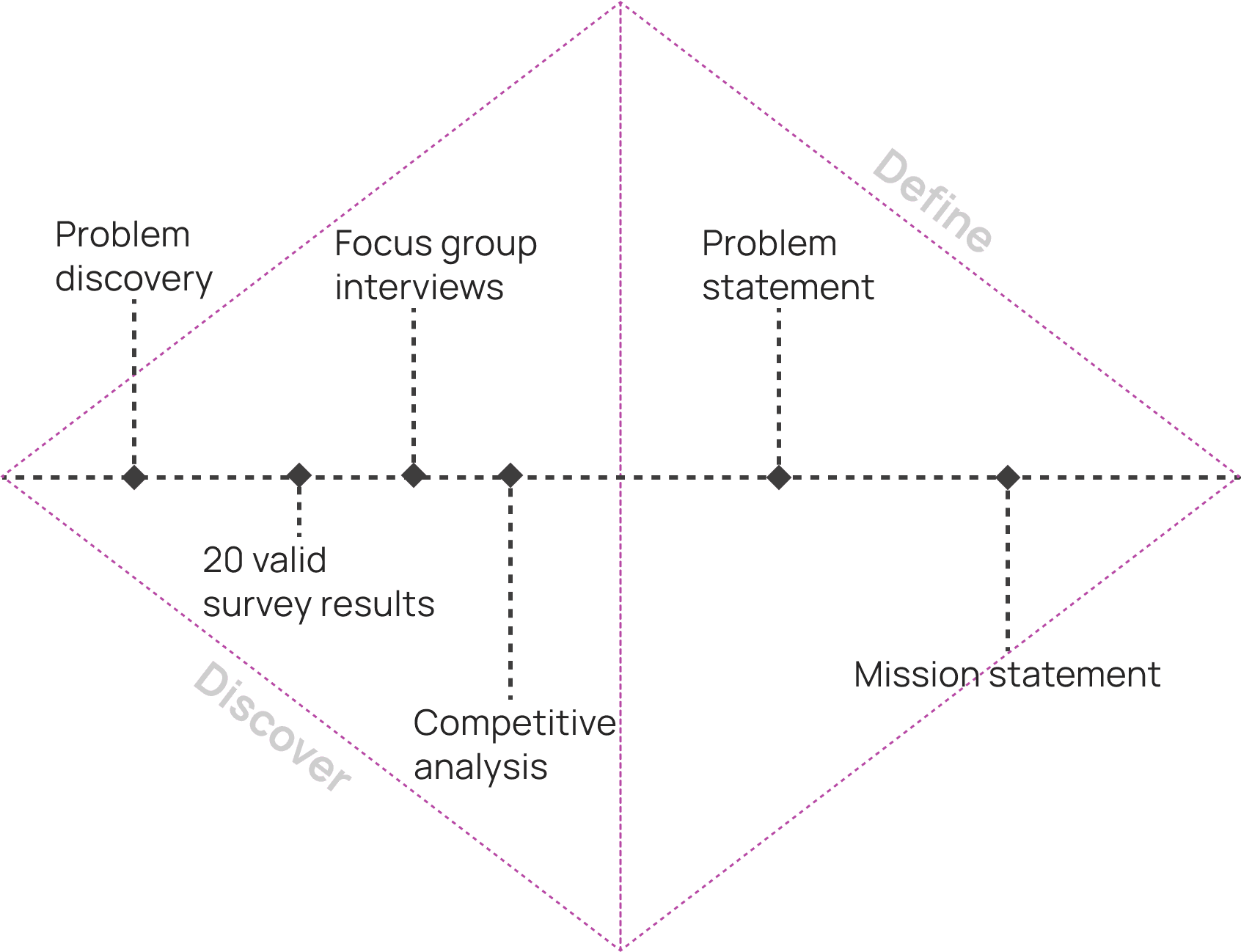

I stopped treating visibility, discovery, and sponsorship as separate problems. The research shifted Neighborly from “help small businesses get discovered” to a broader product question:
how might digital discovery strengthen relationships that already exist offline?
Research includes survey, focus group, expert interview, and competitive analysis.
03
Designing Neighborly
Three product decisions shaped the experience. Neighborly needed more than listings. It needed distinct discovery behaviors, structured signals of community intent, and a path from finding someone to actually working together.
Decision 01 · DISCOVER
Not every search starts the same way.
Explore supports serendipity. Directory supports intent. Separating the two let me design each around a different user mindset instead of forcing both into one generic search experience.


Decision 02 · SUPPORT
Turn community needs into local support.
Organizations are already looking for sponsors, and local businesses are often willing to help. The problem is that neither side has an easy way to discover the other. Neighborly makes that intent visible, then supports the relationship through to a confirmed outcome.

Decision 03 · THE SUPPLY SIDE
Give businesses control over how they show up.
The dashboard isn't a separate product story; it is the infrastructure behind the resident and organization experiences. Businesses maintain the information people use to make decisions and the signals organizations use to identify potential partners.

04
Cross-Platform Strategy
When I revisited Neighborly, I didn't simply shrink the original desktop interface. I reconsidered where each behavior naturally happens.
Mobile · discovery & participation
Explore Neighborly here!
After the reasoning, give the work room to speak for itself.

Home
A personalized starting point for discovering local businesses, events, and community activity nearby.

Explore
Browse curated local happenings, and themed collections when you’re open to discovering something new.

Community
Discover local updates, see editor's pick, local people's review or questions, and sponsorship requests.

Directory
Search local businesses by practical needs like hours, parking, distance, accessibility, or dog-friendliness.

Business Page
See the details that matter—from services and hours to promotions, events, and ways the business supports the community.

Event Page
Bring key event details, hosts, location, and community context together in one easy-to-scan place.


Filters
Go beyond basic categories and narrow results based on the conditions that actually shape a decision.
Reflection
The project changed when I stopped treating it like a directory.
I started Neighborly thinking I was solving a visibility problem for small businesses. Research revealed something more systemic: residents, businesses, and organizations were already trying to support one another, but the digital tools around them treated those groups as separate audiences.
Revisiting the work later pushed the product further. AI accelerated exploration, but the important decisions were product decisions: separating discovery from intent, making sponsorship willingness explicit, designing the path from connection to outcome, and deciding which behaviors belonged on mobile versus desktop.
Next step: test, and bring it to live
Test whether residents understand the Explore / Directory distinction, which constraints matter most in local search, whether businesses are comfortable publishing sponsorship preferences, and whether the end-to-end sponsorship workflow reduces outreach effort for organizations.


Special thanks to Dr. Tim Gorichanaz for his guidance and unwavering support throughout this journey. This work would not have been possible without his mentorship.